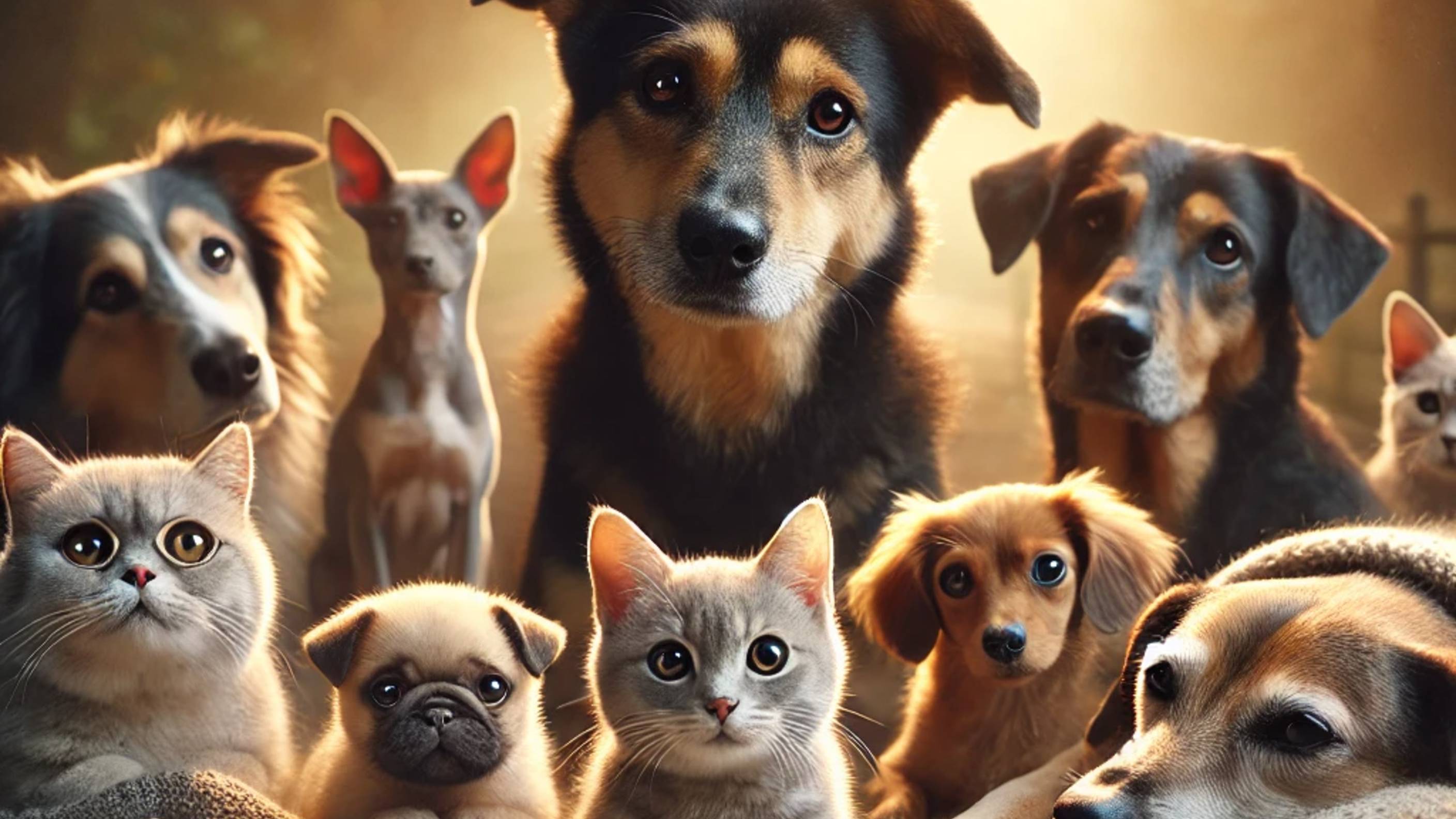
THE EYES HAVE IT
Windows to the Soul, Mirrors of the Heart
There is an old saying that the eyes are the windows to the soul. It is one of those observations that has survived generations because, somewhere deep within our understanding of human nature, we recognise its truth.
Our eyes communicate far more than we realise. Kindness, joy, tenderness and compassion can shine through them. So too can contempt, hostility, cruelty and malice.
We can choose our words. We can manufacture a smile. We can dress ourselves in the language of virtue and present a carefully constructed version of who we are. But our expressions often tell a different story.
The eyes are expressive. They connect our inner world with the one we present to others. They can betray emotions we would rather conceal and sometimes leave us with an inexplicable feeling that something isn't quite right.
Most of us have encountered someone whose gaze seems cold, empty or strangely unsettling. We may not be able to explain why, but something about the encounter sets off an internal alarm.
It is our built-in warning system.
In literature, villains are often described through their eyes. A predatory glint, a chilling stare or an unnerving hollowness becomes a literary shorthand for something darker lurking beneath the surface.
Shakespeare understood this beautifully. In Macbeth, Lady Macbeth's descent into guilt and madness is reflected in her increasingly troubled state of mind. Her outward composure cannot contain what is happening within.

History, too, is littered with descriptions of men whose expressions became inseparable from the cruelty they inflicted. It is revealed through what a person thinks, says and, above all, does.
Our eyes are remarkably sensitive to the expressions of others. We read tiny changes in expression, the tension around the eyes, the difference between a genuine smile and a manufactured one. We may not consciously register every signal, but we often recognise emotion before a person has spoken a word.
And sometimes, what we see stays with us.
I remember my Dad when he was ill, before he passed away. His eyes had always sparkled with life and mischief. They were expressive, full of warmth and joy.
As his health deteriorated, that sparkle began to disappear. His eyes became less expressive. They seemed sadder, more distant.
I watched it happen.
How can eyes do that?
Perhaps because the eyes are not simply instruments of sight. They are part of the extraordinary way we communicate our feelings and our connection to the world around us.
There is a difference, however, between the sadness of a failing body and the coldness that can accompany a hardened heart.
The metaphorical heart has long been regarded as the centre of our emotional and moral existence. It is where we locate compassion, conscience, love and empathy. When hatred, greed, resentment or vengeance take root, they influence how we see others and how we treat them.
A hardened heart changes the way a person engages with the world.
A smile can become a weapon. Words can be used to humiliate rather than encourage. Kindness can become a performance, offered only when there is something to gain.
And the eyes? They may become accomplices in the deception.

Evil does not always announce itself as evil.
Sometimes it arrives dressed as righteousness. It speaks of justice while practising vengeance. It speaks of tolerance while demanding conformity. It preaches compassion while displaying astonishing indifference to the suffering of those it has decided are unworthy of it.
It can even convince its followers that cruelty is somehow virtuous, provided the victim belongs to the right category of enemy.
And that is a particularly dangerous form of moral blindness.
We live in an age of extraordinary division, where political allegiances, ideological loyalties and manufactured outrage increasingly determine how people judge one another.
We see it in politicians, sections of the mainstream media, public personalities and activists who seem more interested in condemning their opponents than examining their own conduct.
But the question is not whether someone belongs to the left or the right. Nor is it whether they agree with our particular view of the world.
When people kill for pleasure, celebrate the suffering of others or regard the destruction of innocent lives as a cause for celebration, we have moved beyond ordinary political disagreement.

We are confronting something much darker.
I feel that there is a difference between being manipulated and celebrating the suffering of another human being. There is a difference between being misled and willingly surrendering one's conscience.
And there is a difference between defending a cause and losing one's humanity in its name.
When an entire community begins to regard cruelty as normal, when the suffering of outsiders becomes entertainment and when compassion is reserved exclusively for those who think, believe or behave like us, something fundamental has broken.
The heart has become hardened, and the eyes no longer seem to recognise what they are looking at.
Which brings me to the mirror.
When we look into it, what do we actually see?
It is remarkably easy to identify the faults of others. It is considerably harder to examine our own.
Perhaps some of our most vocal moral crusaders would benefit from spending a little less time telling the world how virtuous they are and a little more time examining the consequences of their own actions.
I sometimes wonder whether we have created a society in which people are so consumed by what they have been conditioned to hate that they have forgotten what they ought to love.
Our communities. Our freedoms. Our traditions. Our families. Our shared humanity.
And perhaps that is where the vampire enters the picture.
Vampires have no reflection.
They exist by consuming the life force of others. They cannot sustain themselves without feeding on something they do not possess.
It is a rather fitting metaphor for those who consume goodwill, exploit compassion and feed upon the very freedoms and decency that make a society worth living in.
They take from the good while giving nothing of themselves in return.
But perhaps the most frightening vampire is not the one who cannot see its reflection.
It is the one who can look directly into the mirror and still convince itself that the monster staring back is someone else.
We should all be prepared to look into that mirror.
Because the greatest danger is not simply that evil exists. It is that good people become so accustomed to witnessing it, excusing it or looking away from it that they eventually lose the ability to recognise it.

And when that happens, the darkness doesn't need to conquer us.
We have invited it in.
There is an old saying, attributed to Jewish wisdom:
"He who is compassionate to the evil will end up being evil to the compassionate."
The eyes may be the windows to the soul. But it is what we choose to do with what we see that ultimately defines us.
A COUNTERPOINT TO THE DARKNESS
I have often wondered whether we spend so much time discussing the darkness in people's eyes that we forget to recognise the light.
When I think of the kindest eyes I have ever seen, one person immediately comes to mind: Dr Ben Carson.
There is something about his expression that I find particularly gentle. His eyes seem warm, thoughtful and unhurried. There is no need for theatrical gestures or grand declarations. Sometimes a person's face simply conveys a quality that words struggle to describe.
And perhaps that is the point.

We recognise kindness not because someone tells us they are kind, but because of the way they make us feel in their presence.
There is a world of difference between someone who wants to be admired for their goodness and someone whose manner quietly puts others at ease.
Like my Dad.
And here's the thought I'll leave you with:
Perhaps the eyes don't just reveal the darkness we should be wary of. They also remind us of the goodness we should be looking for.